Our team is committed to creating a safe, supportive environment where you can feel heard, understood, and respected. We bring professional experience and a compassionate approach to every client we serve.
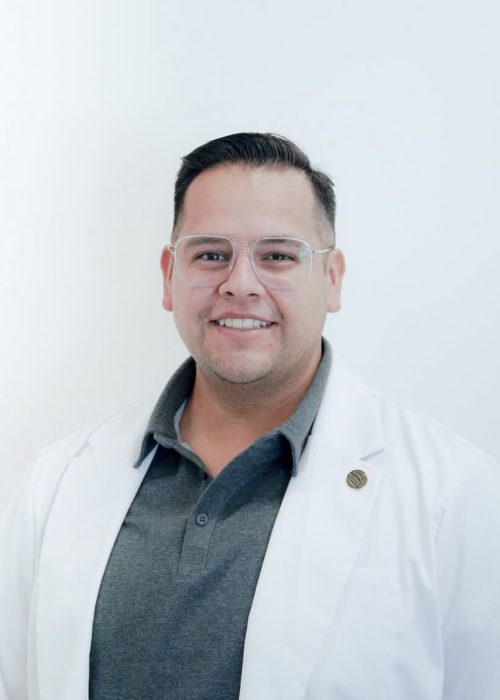
APRN, FNP-BC
(Ketamine Provider)
PCP
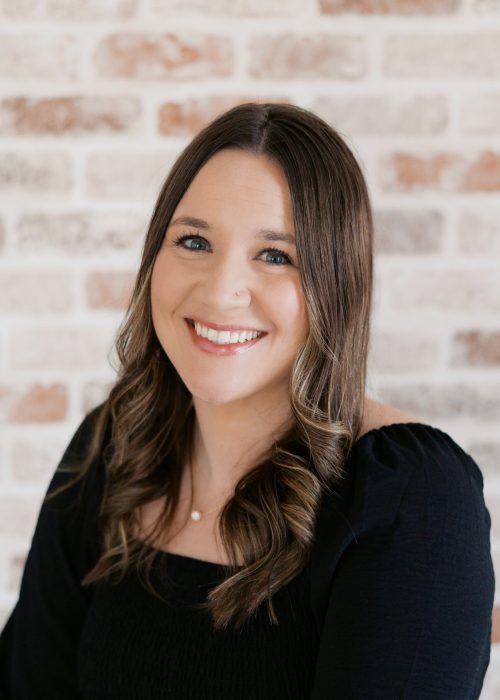
LCSW
(Therapist)

LCSW, SEP
(Therapist)
Ketamine is a fast-acting dissociative anesthetic that is used in both medical and mental health settings. It works differently from traditional antidepressants by affecting the brain’s glutamate system. Ketamine can temporarily change how the brain processes thoughts, emotions, and sensory experiences. It may also help create new connections between brain cells, allowing the brain to become more flexible and less stuck in rigid or negative thought patterns.
Research has found ketamine to be helpful for individuals experiencing:
Ketamine has been used safely for many years as an anesthetic in medical and hospital settings, including with very young and medically fragile patients. As Sunny Strasburg explains, “The youngest babies in the NICU and the most fragile elderly patients in hospital are given even higher doses.”
Ketamine-assisted psychotherapy uses doses that are typically much lower than those used for general anesthesia. Your provider will carefully determine the appropriate dose for you and monitor you throughout your session.
At Golden Poppy Wellness, we offer ketamine through either IV administration or intramuscular injection (a small shot). You and your provider will discuss the options and determine which route is best for you.
Many people begin with a series of 4–6 sessions, generally scheduled about a week apart. Depending on your individual needs and response to treatment, booster sessions may be recommended every few months or when you feel additional support would be beneficial.